
Seasonal Sprinkler Adjustments in West University
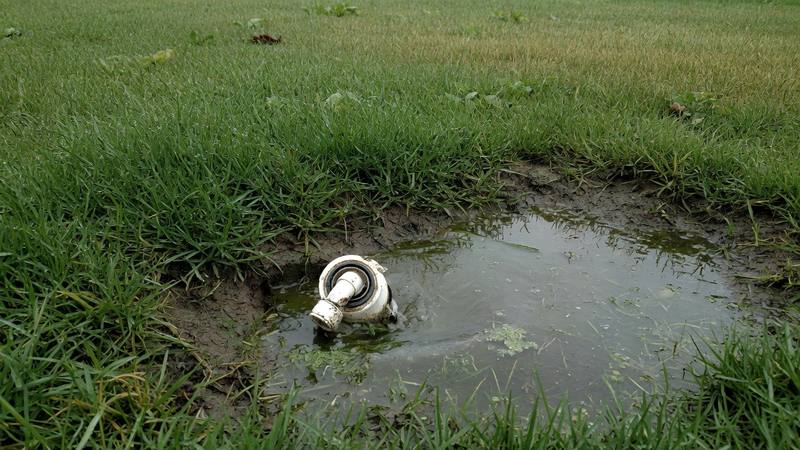
Your sprinkler system works hard, but it doesn’t work the same way in July as it does in January. Weather shifts, changing daylight, and swings in soil moisture all affect how your system should run. When you skip seasonal adjustments, you risk wasted water, dry patches, and expensive repairs down the road. That’s where West University Sprinkler Repair comes in — helping homeowners stay ahead of seasonal changes before small issues turn into costly problems.
This guide walks West University homeowners through the seasonal adjustments that keep an irrigation system running smoothly all year. You’ll learn what needs attention in each season, why it matters, and when to call in a professional. Let’s dig in.
Why Seasonal Adjustments Matter
A sprinkler system set once and forgotten quickly falls out of sync with your landscape’s needs. In spring, plants wake up and demand more water. In winter, freezing temperatures threaten pipes and valves. Running the same schedule year-round leads to overwatering, underwatering, or both.
Seasonal adjustments protect your investment and your lawn. They also keep your water bill in check. A well-tuned system delivers the right amount of water to the right zones at the right time. That balance is hard to hit without regular attention.
Spring Startup: Waking Your System Up
After a quiet winter, your system services needs a careful restart. Turning everything on too fast can send a surge of pressure through the pipes and cause damage.
A proper spring startup includes:
- Slowly repressurizing the lines to avoid water hammer
- Inspecting each zone for leaks, broken heads, or clogs
- Checking pressure levels across the system
- Reprogramming the controller for warmer weather and longer days
This is also the perfect time to catch small problems before the growing season peaks. A cracked head or leaking valve found in April is far cheaper to fix than a flooded lawn in July.
Summer Tune-Ups: Peak Performance Season
Summer puts the most demand on your irrigation system. Hot temperatures and heavy use expose weaknesses fast. A mid-season tune-up keeps everything performing when your lawn needs it most.
Zone Inspections and Head Adjustments
Over time, sprinkler heads drift out of alignment. They spray sidewalks, driveways, or the side of your house instead of the grass. Zone inspections confirm each area gets even coverage, while head adjustments redirect water back where it belongs.
Pressure Checks
Low pressure means weak coverage and dry spots. High pressure causes misting and wasted water. Regular pressure checks find the sweet spot so every zone runs efficiently.
Fall Preparation: Getting Ready for Cooler Days
As temperatures cool, your lawn needs less water. Fall is the time to scale back your watering schedule and prepare for the months ahead.
Key fall tasks include:
- Adjusting controller programming for shorter days and lower demand
- Calibrating rain sensors so the system skips watering after rainfall
- Cleaning filters to keep debris from building up
- Checking drainage systems to prevent pooling and runoff
Rain sensor calibration is especially valuable. A properly working sensor stops your sprinklers from running during a downpour, saving water and money automatically.
Winterization: Protecting Against Freeze Damage
Winter is when neglected systems suffer the most. Water left in pipes and valves can freeze, expand, and crack expensive components. Winterization prevents that costly damage.
A thorough winterization typically covers:
- Shutting off the water supply to the irrigation system
- Draining or blowing out the lines to remove trapped water
- Insulating exposed components like backflow preventers
- Powering down the controller or setting it to a rain/off mode
Skipping this step is one of the most common mistakes homeowners make. A single hard freeze can turn into hundreds of dollars in repairs. A short winterization visit is cheap insurance.
Common Mistakes to Avoid
Even well-meaning homeowners run into trouble. Here’s what to watch for:
- Running one schedule all year. Your lawn’s needs change with the seasons, and so should your controller settings.
- Ignoring small leaks. A minor drip today becomes a major pipe repair later.
- Forgetting rain sensor calibration. An uncalibrated sensor wastes water every time it rains.
- Skipping winterization. This is the fastest path to freeze damage.
Avoiding these habits keeps your system healthier and your costs lower.
Your Year-Round Sprinkler Checklist
Keep this simple seasonal guide handy:
- Spring: Startup, leak inspection, controller reprogramming
- Summer: Zone inspections, head adjustments, pressure checks
- Fall: Schedule adjustments, rain sensor calibration, filter cleaning
- Winter: Full winterization and freeze protection
Each season builds on the last, keeping your system efficient and reliable.
Ready for Optimal Performance All Year?
Seasonal adjustments protect your lawn, your water bill, and your peace of mind. From spring startup to winterization, small tune-ups make a big difference over time. The good news is you don’t have to handle it alone.
West University Sprinkler Repair offers seasonal system adjustments designed to keep your irrigation running at its best through every season. Whether you need a spring startup, a summer tune-up, or a full winterization, our team is ready to help.
Request Service today or call us at (555) 010-8303 to schedule your seasonal adjustment and keep your system performing all year long.
Call 346-294-8444 Services FAQ